Our Fabrics & Technology
Protection That Is Part of the Fabric
UV protection from the dense knit structure of the fabric — not applied as a coating. Independently tested to UV STANDARD 801.
01
Why the Protection Is in the Fabric
Many UV textiles rely on chemical coatings applied to finished fabric. These coatings can degrade with washing and wear. Our approach is fundamentally different: the UV protection is the fabric itself.
Conventional approach
Coating-based protection
- Surface treatment applied after manufacturing
- Can degrade with washing and wear over time
- Studies show that coatings can lose considerable effectiveness after repeated washing
UVEEKAI approach
Dense knit structure
- The protection is the fabric — the dense knit structure physically keeps out UV radiation
- No coating to wash out — tested after washing, too
- Tested to UV STANDARD 801 in the least favorable wearing condition: wet and stretched
Sources: Gambichler et al. 2006, British Journal of Dermatology; Hohenstein Institute, UV STANDARD 801
02
Two Fabric Systems, One Goal
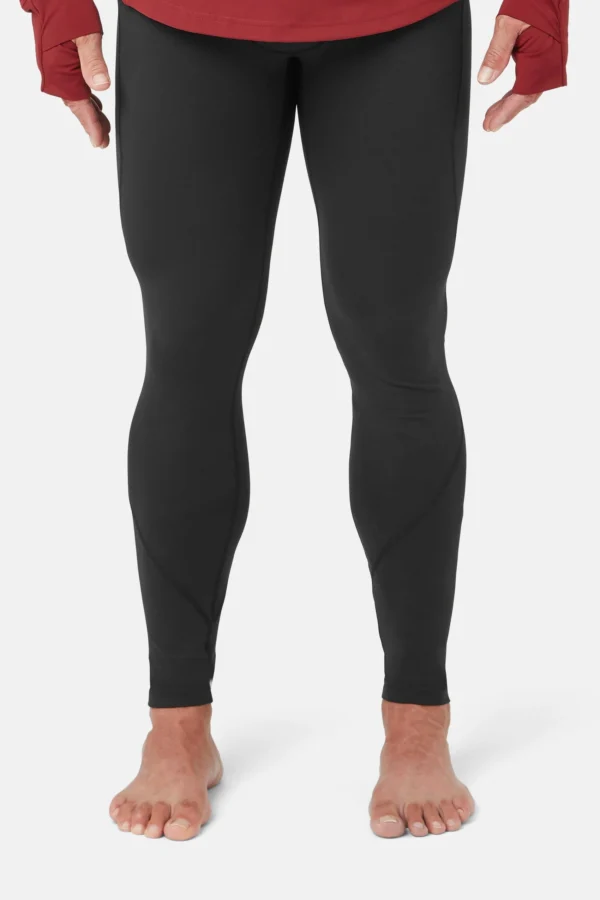
Every UVEEKAI product uses one of two high-performance fabrics, each developed for its purpose. Both deliver UPF 80 — certified to UV STANDARD 801.
- 82 % polyester, 18 % elastane — UV protection from the dense knit structure
- 4-way stretch for unrestricted movement
- Moisture-wicking & quick-drying — ideal for active days in the sun
- UV STANDARD 801 · test no. 24.1.10.0433-80-1
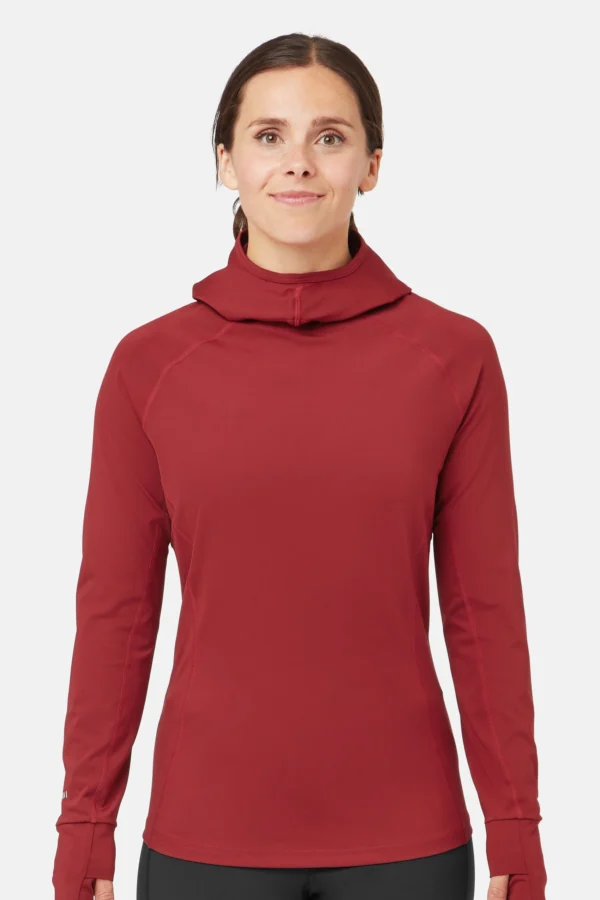
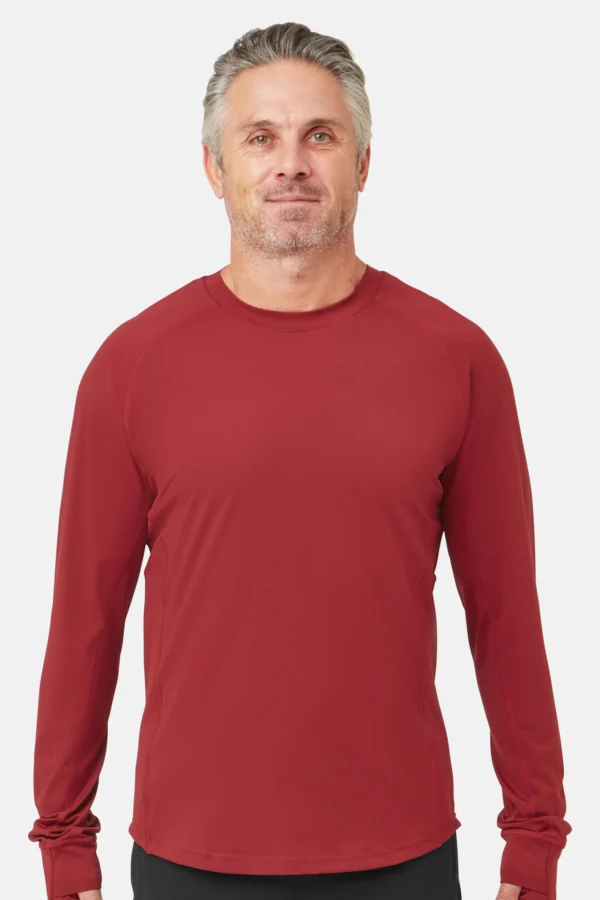
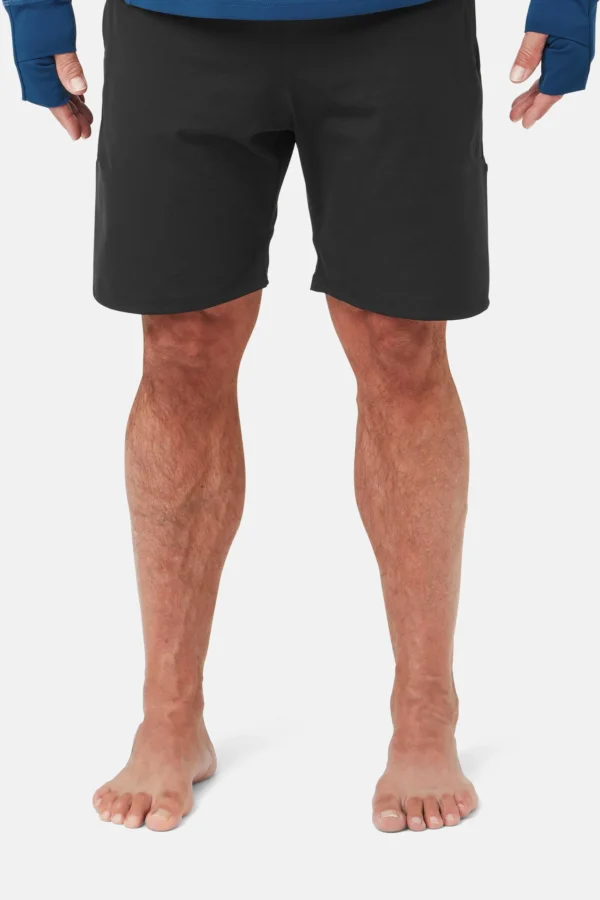
Developed for maximum breathability without compromising on protection.
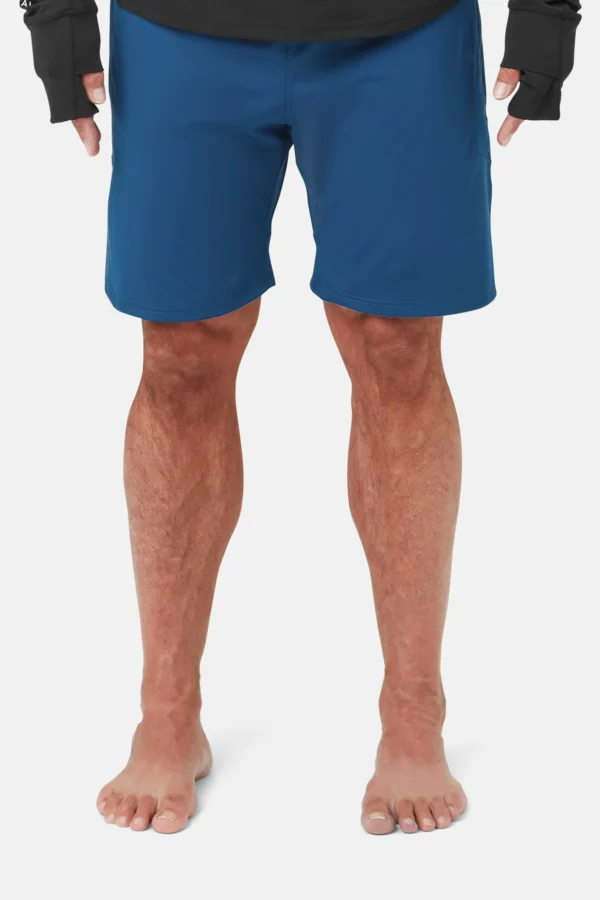
- 74 % polyamide, 26 % elastane — firm support, UPF 80 across the whole surface
- Close-fitting, keeps its shape even after many washes
- Chlorine & salt-water resistant — made for sea and pool
- UV STANDARD 801 · test no. 24.1.10.0434-80-1
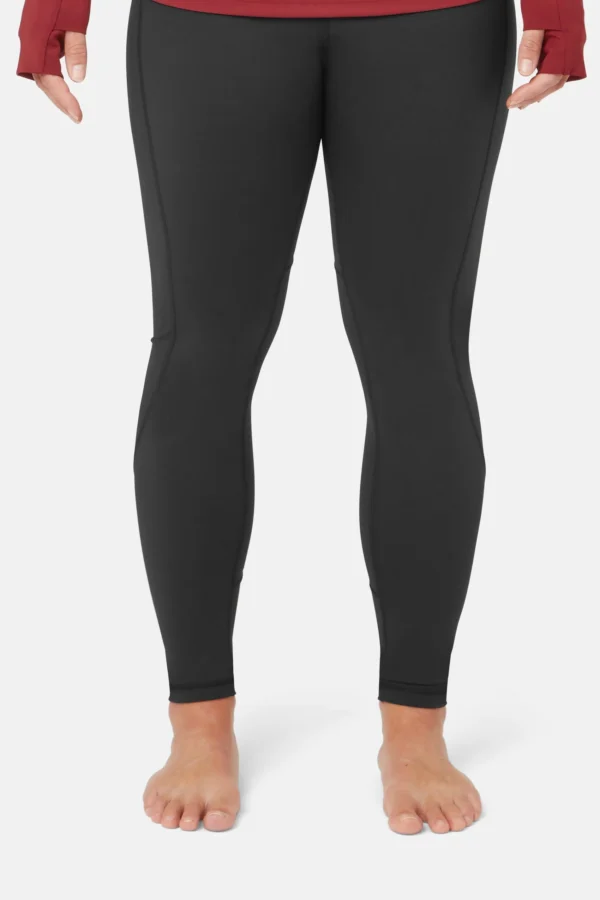
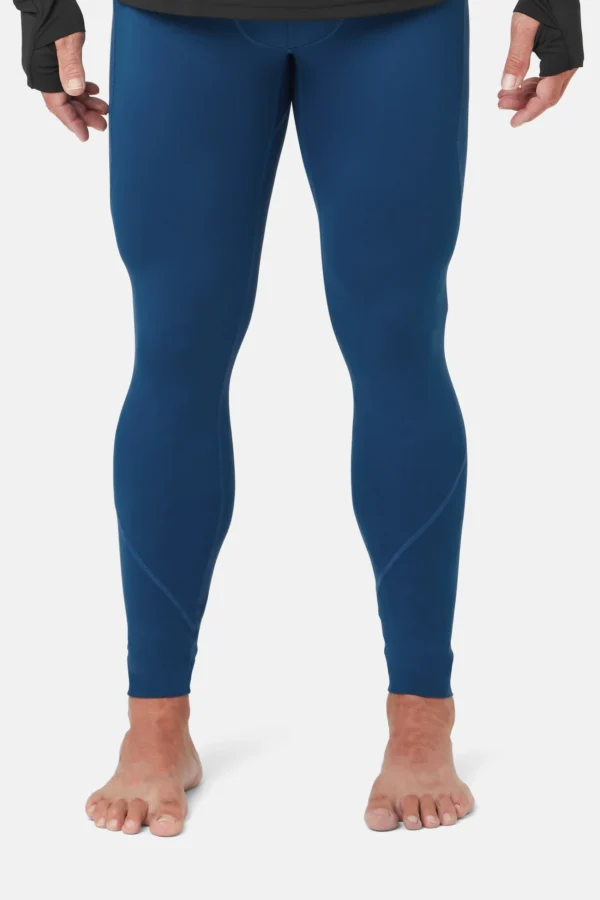
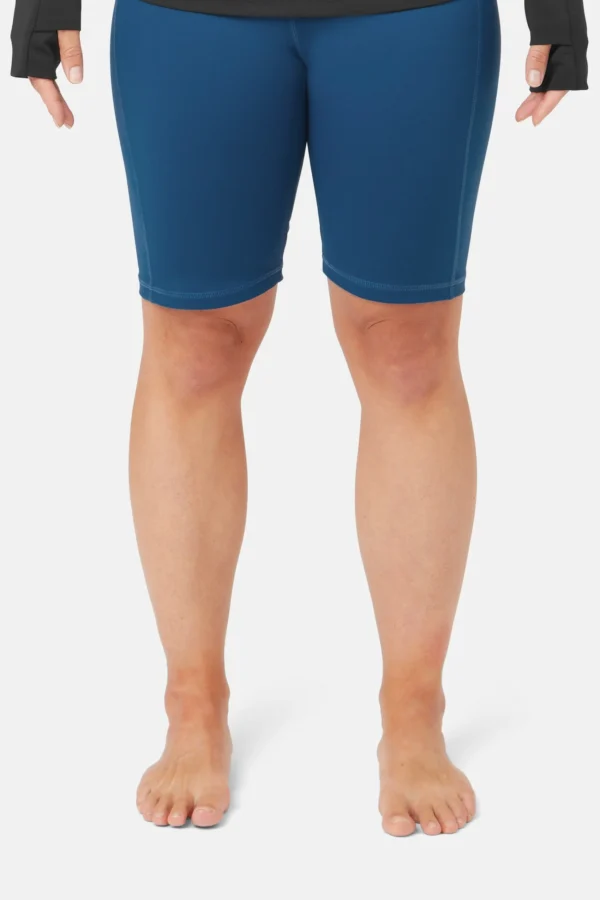
Developed for high-performance activities where coverage and support matter.
03
The T-Shirt Problem
Most people assume a T-shirt protects them from the sun. But a regular cotton T-shirt has no tested UV protection factor: how well it protects depends mainly on fabric type and density, and moisture, stretching and washing can change the protection.
White cotton T-shirt
No tested UV protection factor. The denser the fabric, the better the protection.
Same shirt, wet
Water can make cotton more transparent to UV radiation.
Stretched sportswear
Stretching can open the knit and let UV through.
UVEEKAI
Tested wet, stretched and after washing. Certified UPF 80.
UPF 80 — mathematically, the fabric keeps out more than 98 % of the sunburn-effective UV radiation. UPF 80 is the highest of the certification levels in UV STANDARD 801 (UPF 10–80), tested by the Hohenstein Institute. (Sources: German Federal Office for Radiation Protection; uvstandard801.com)
04
Construction Details
Every seam, panel and zipper is designed to minimise UV gaps and maximise comfort during activity.
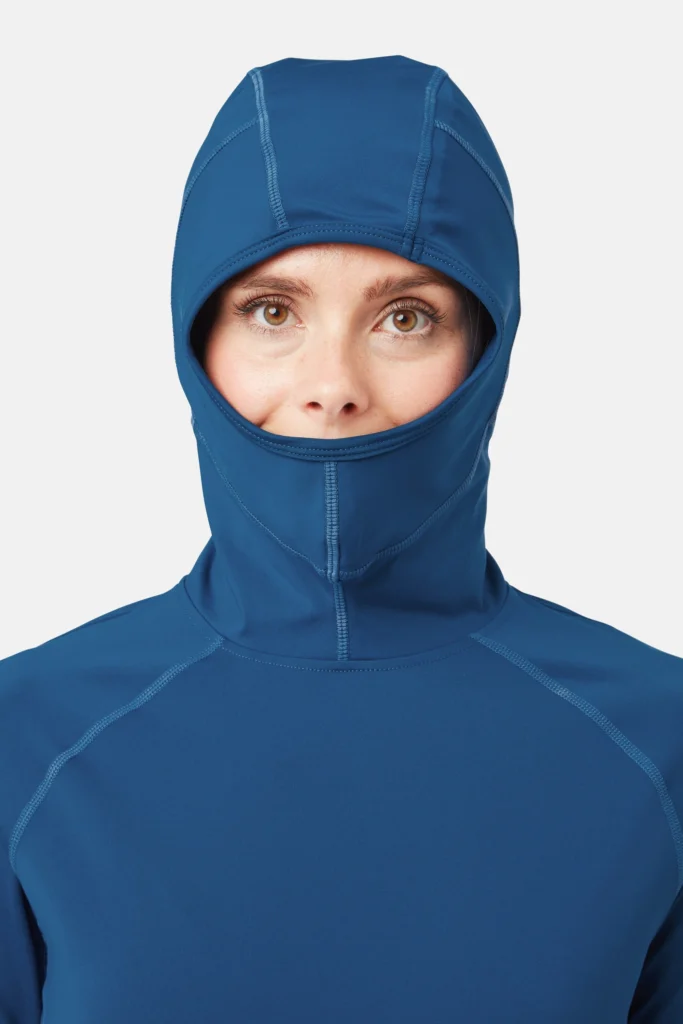
Multi-panel hood
Covers face, chin and lips. Women’s version with extra volume for hair.
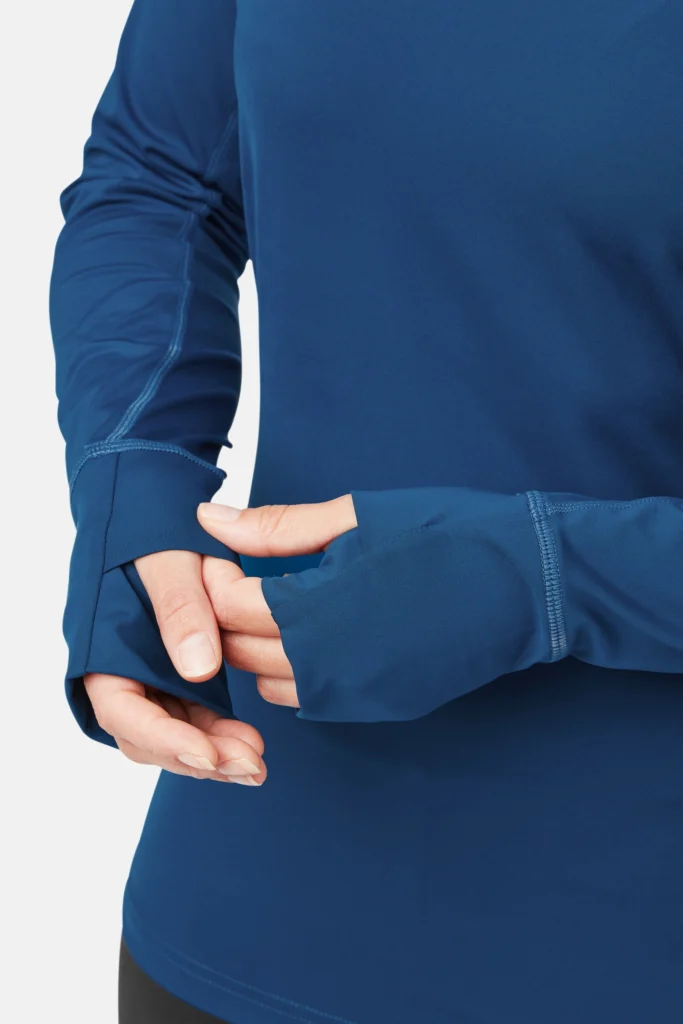
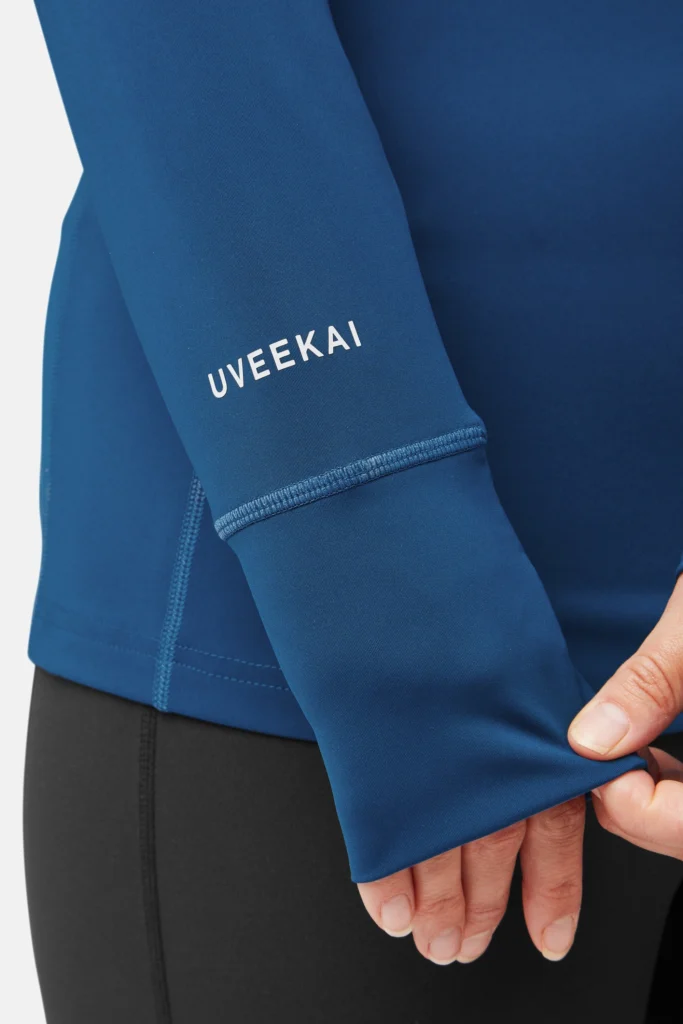
Thumb loops
Extends coverage to hands and wrists. Fewer gaps between sleeve and glove.
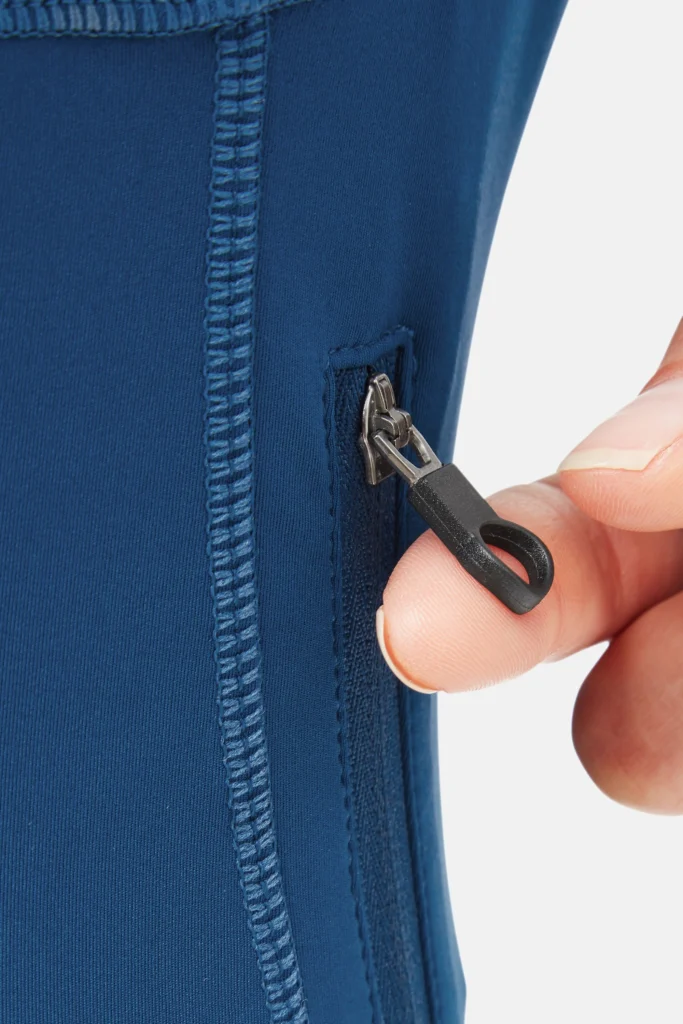
YKK zipper
YKK brand zipper, salt-water resistant.
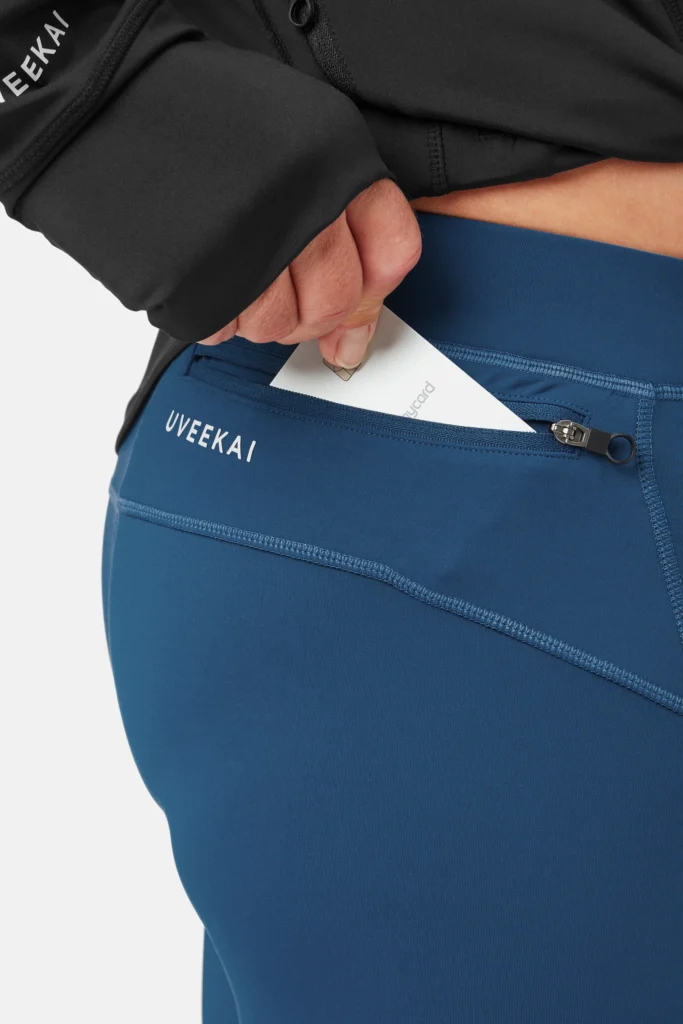
Zipped key pocket
YKK zipped pocket for keys, cards or small items.
High collar
Neck protection up to the chin.
Extended back
A longer cut keeps skin covered when bending or stretching.
Flatlock seams
Flat and soft against the skin — during any activity, wet or dry.
05
Quality Without Compromise
Every fabric undergoes rigorous independent testing — because your skin depends on it.
UV STANDARD 801
Tested wet, stretched and after washing — not just flat in a lab. Certified by the Hohenstein Institute, Germany.
Source: Hohenstein InstituteDense knit structure
A densely knitted structure physically keeps out UV radiation — without chemical treatment.
Salt & chlorine resistant
Yarn properties defined during manufacturing. Made for sea and pool.
Nothing to wash out
No coating — the protection comes from the structure of the fabric and is tested after washing, too.
Source: UV STANDARD 801, Hohenstein InstituteIndependently tested
UPF 80 tested and certified by the Hohenstein Institute to UV STANDARD 801.
UPF 80 · UV STANDARD 801
Ready for Real Protection?
Discover our collection — UPF 80, tested under real conditions.

UV protection clothing does not replace comprehensive sun protection. We additionally recommend:
- Sunscreen on uncovered skin (minimum SPF 30)
- Avoid direct midday sun (11 AM – 3 PM)
- Wear a sun hat and sunglasses
- Check the daily UV index and seek shade when it is high
- Hohenstein Institute — UV STANDARD 801: Test Methodology and Certification Guidelines. hohenstein.com
- Gambichler, T. et al. (2006). Ultraviolet Protection by Summer Textiles. British Journal of Dermatology.
- Federal Office for Radiation Protection (BfS) — UV protection through clothing. bfs.de
- International Test Association for Applied UV Protection — UV STANDARD 801 certification levels. uvstandard801.com
- Internal technical testing and fabric development documentation.
- Federal Office for Radiation Protection (BfS) — UV Radiation and Skin Protection. bfs.de