Sunscreen + UV clothing
Why sunscreen alone isn’t enough
Sunscreen is an essential part of sun protection. In practice, however, there are systematic weak points.
01
Sunscreen in practice
of runners who don’t use sunscreen regularly name forgetting as the main reason.
Source: Tenforde et al. 2021, Sports (survey of 697 runners)
Application gap
Studies show most people apply significantly less sunscreen than recommended.
Autier et al. 2007
Sunscreen during sport
Only 18 % of the runners surveyed always or almost always apply sunscreen to all exposed skin.
Tenforde et al. 2021
External factors
Sunscreen can be reduced by water, sweat, sand or abrasion.
Where sunscreen is restricted
Hawaii, Palau and Thailand’s marine national parks ban certain sunscreen ingredients to protect coral reefs – more under reason 04.
Hawaii Act 104 · Palau RTEA 2018 · Thailand DNP 2021
Sunscreen + UV clothing = optimal protection.
UV protection clothing adds another reliable layer of protection – independent of application amount, sweat or water.
Sunscreen is an essential part of sun protection. In practice, its effectiveness depends heavily on correct application. Studies show that most people apply significantly less sunscreen than recommended (Autier et al. 2007).
The SPF value quantifies UVB protection. UPF values measure protection against both UVA and UVB simultaneously. Note: EU broad-spectrum sunscreens also provide UVA protection.
02
Invisible. But not harmless.
Ultraviolet radiation consists of two types that affect the skin in different ways. Both contribute to skin damage.
UVA rays penetrate deep into the dermis. They are present year-round, penetrate clouds and glass, and are the main cause of premature skin aging.
- Premature skin aging (photoaging)
- Penetrates deep into the dermis
- Present year-round, even through clouds
- Increases long-term UV-related skin damage
UVB rays are the primary cause of sunburn and directly damage the DNA in skin cells. They are strongest at midday and in summer.
- Sunburn (erythema)
- Direct DNA damage in skin cells
- Primary cause of cellular skin damage
- Strongest at midday and in summer

03
Not all clothing protects equally
A regular cotton T-shirt has no tested UV protection factor. How well it protects depends mainly on fabric type and density, and moisture, stretching and washing can change the protection.
No tested UPF
Regular white cotton T-shirt
- Protection depends on fabric type and density
- Moisture and washing can change the protection
- Stretching opens gaps in the fabric
- No standardized UV test
UPF 80
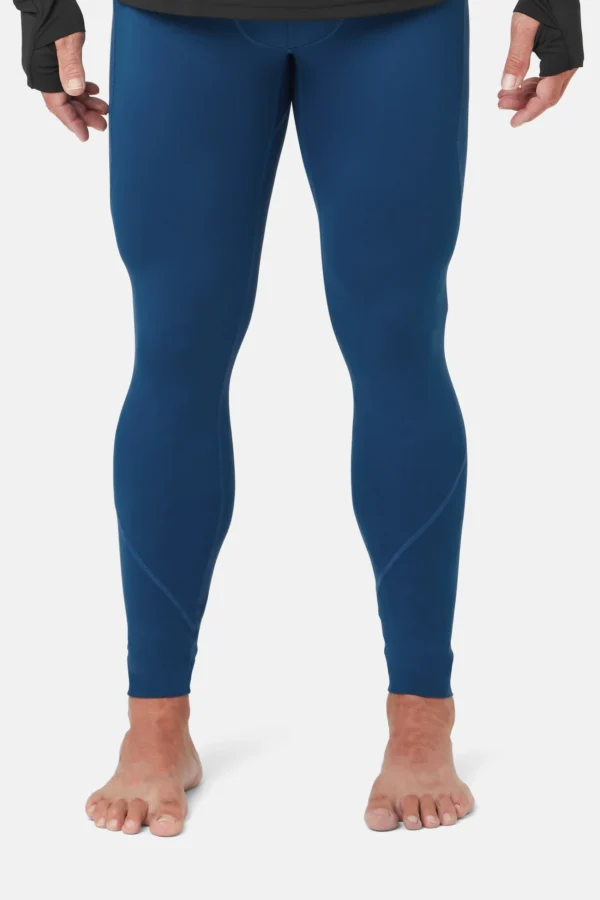
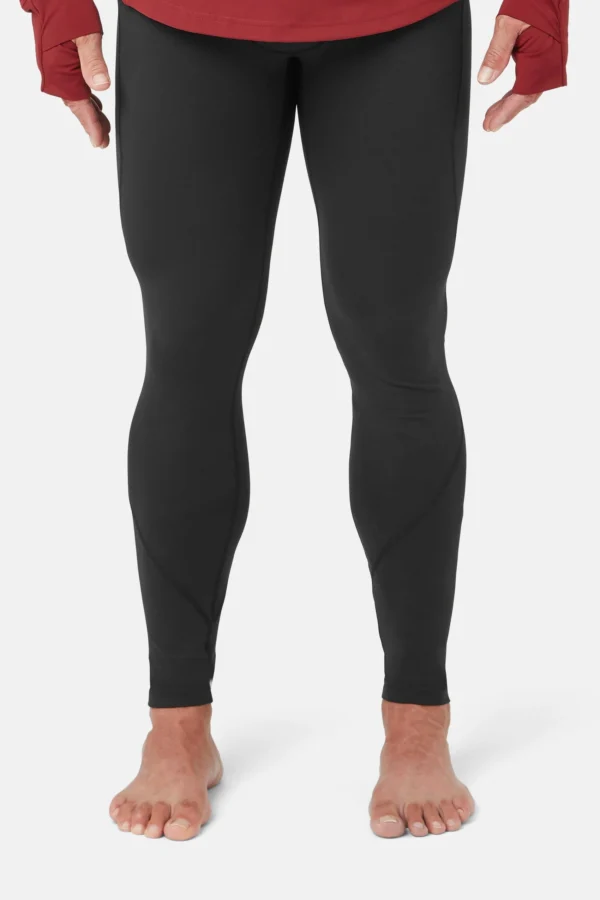
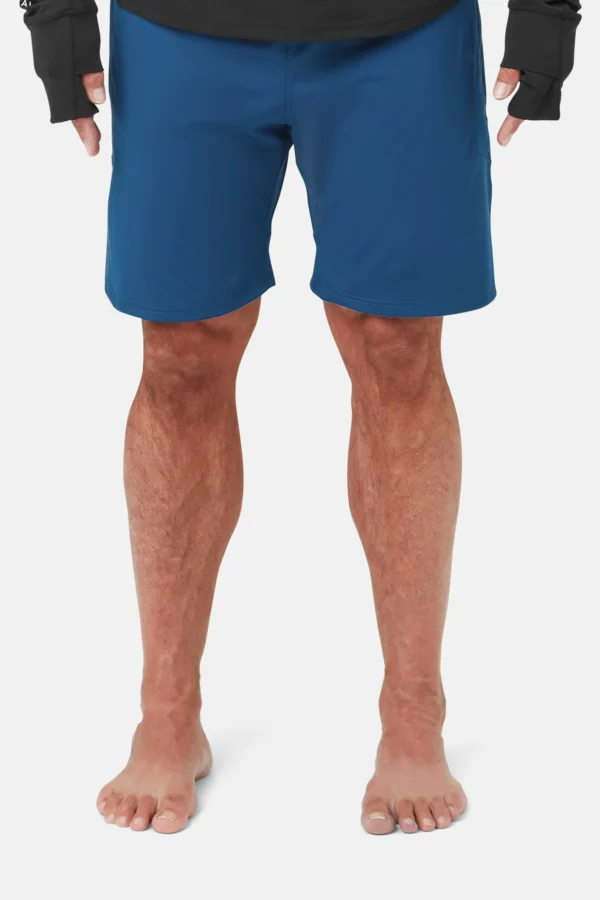
UVEEKAI UV protection clothing
- Over 98 % of sunburn-effective UV radiation kept out (UPF 80, mathematically)
- Certified wet, stretched and after washing
- Dense knit structure keeps out UV radiation
- Tested to UV STANDARD 801 – only the lowest value is declared
Source: German Federal Office for Radiation Protection (BfS) – UV protection through clothing
04
Five reasons for UV protection clothing
Why more and more outdoor athletes and sun-conscious people are choosing UV protection clothing.
Instant protection
Put it on and you’re protected. No waiting time, no application errors, no forgotten spots.
Continuous protection
No reapplying on covered skin. Tested wet and stretched – the way you wear clothing.
Even protection
What the fabric covers is protected – no missed or thinly applied spots.
Where sunscreen is restricted
Since 2021, Hawaii no longer allows the sale of sunscreens containing oxybenzone and octinoxate; on Maui only mineral sunscreens are permitted. Palau and Thailand’s marine national parks also restrict certain ingredients to protect coral reefs. What the fabric covers needs no sunscreen there.
Lasting protection
UV protection is part of the fabric itself, in its dense knit structure – not applied, tested after washing too.
05
UV radiation: the invisible danger
UV damage accumulates over a lifetime. The consequences often only become visible after years or decades.
UV protection collection
Protection you wear
Discover UV protection clothing with UPF 80 to UV STANDARD 801 – for every area the fabric covers.

UV protection clothing does not replace comprehensive sun protection. We additionally recommend:
- Sunscreen on uncovered skin (minimum SPF 30)
- Avoid direct midday sun (11 AM – 3 PM)
- Wear a sun hat and sunglasses
- Check the daily UV index and seek shade when it is high
- Autier, P. et al. (2007). Quantity of Sunscreen Used by European Students. British Journal of Dermatology.
- Tenforde, A.S. et al. (2021). Sun Protective Behaviors and Attitudes of Runners. Sports 10(1):1.
- D’Orazio, J. et al. (2013). UV Radiation and the Skin. International Journal of Molecular Sciences.
- Federal Office for Radiation Protection (BfS) – UV protection through clothing.
- Federal Office for Radiation Protection (BfS) – What is UV radiation? / UV index.
- World Health Organization (WHO) – Radiation: Ultraviolet (UV), questions and answers (UVA approx. 95 % of UV radiation reaching the Earth’s surface); INTERSUN Programme.
- Hohenstein Institute – UV STANDARD 801: Test Methodology and Certification Guidelines.
- Gambichler, T. et al. (2006). Ultraviolet Protection by Summer Textiles. British Journal of Dermatology.
- State of Hawaii, Act 104 (2018, SB 2571) – ban on sunscreens with oxybenzone and octinoxate, effective 1 January 2021.
- Maui County, Ordinance 5306 – non-mineral sunscreens, effective 1 October 2022.
- Republic of Palau, Responsible Tourism Education Act of 2018 – effective 1 January 2020.
- Thailand, Department of National Parks – ban on reef-harming sunscreen ingredients in marine national parks (August 2021).
- Regulation (EU) 2016/425 – Personal Protective Equipment. Official Journal of the EU.