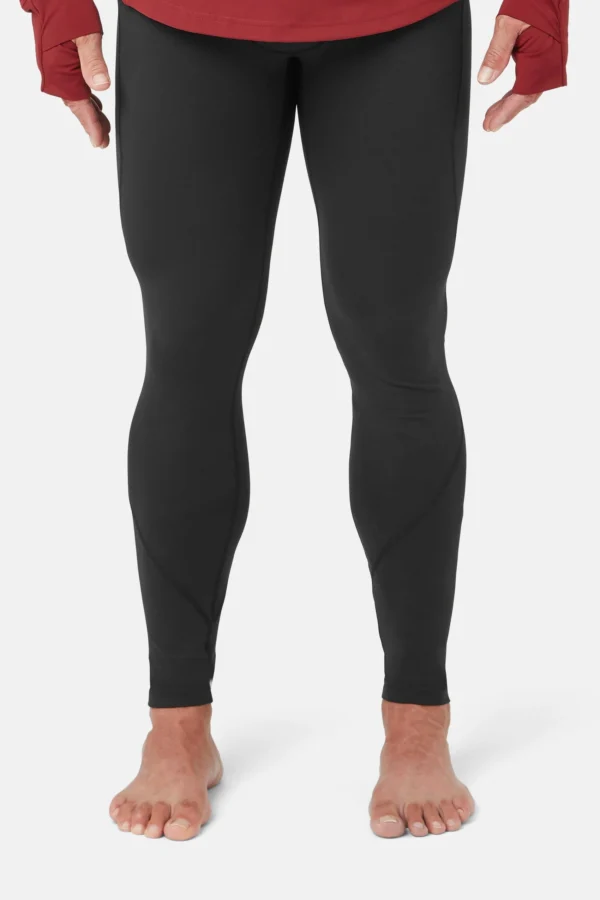
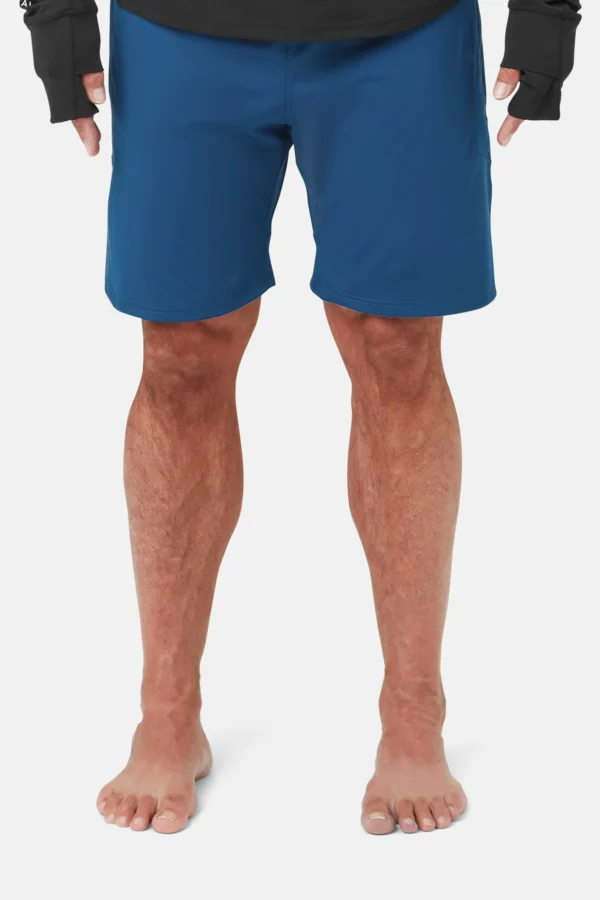
UV STANDARD 801 · UPF 80
Tested the way you really wear clothing.
Wet after a swim, stretched as you move, after washing: UV STANDARD 801 measures UV protection where it counts in everyday life. The entire UVEEKAI collection is certified this way – with UPF 80.
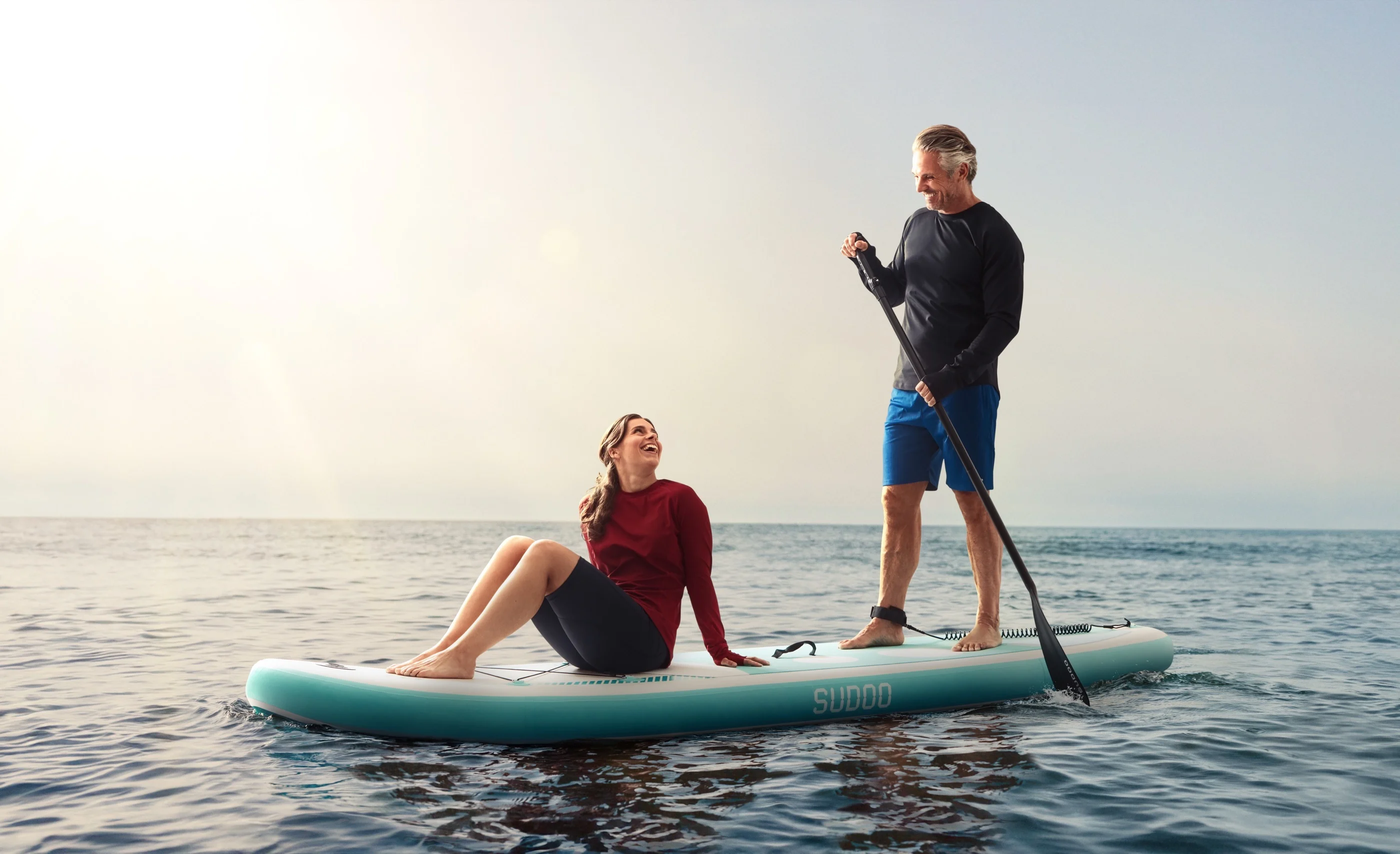
On the water, fabric gets wet and stretched – exactly the state in which UV STANDARD 801 measures.
In short
Which brands offer certified UV protection clothing?
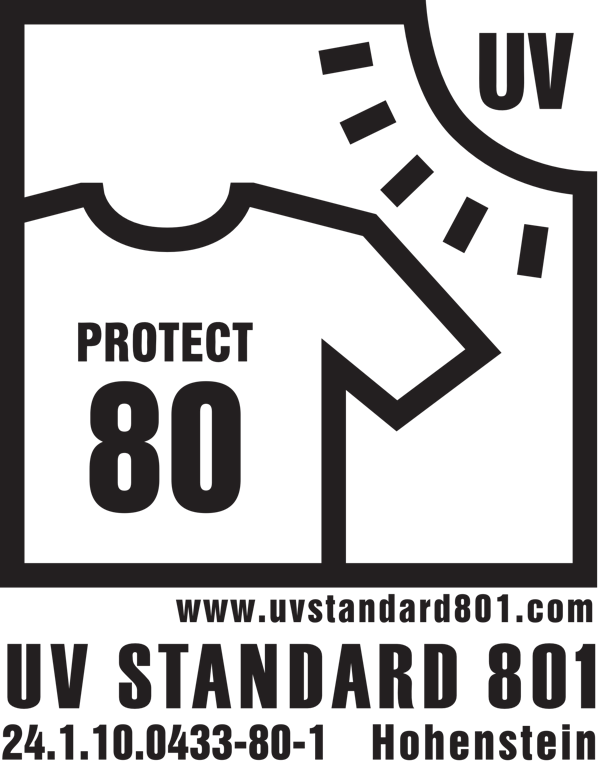
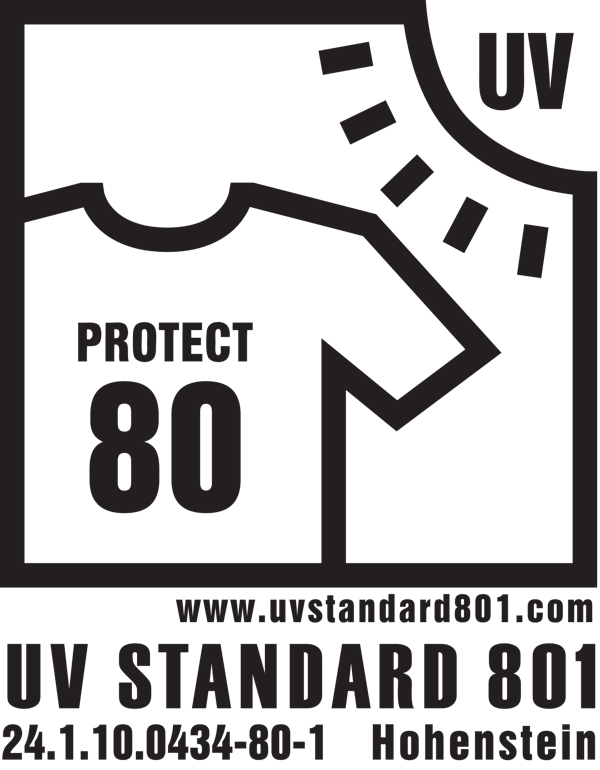
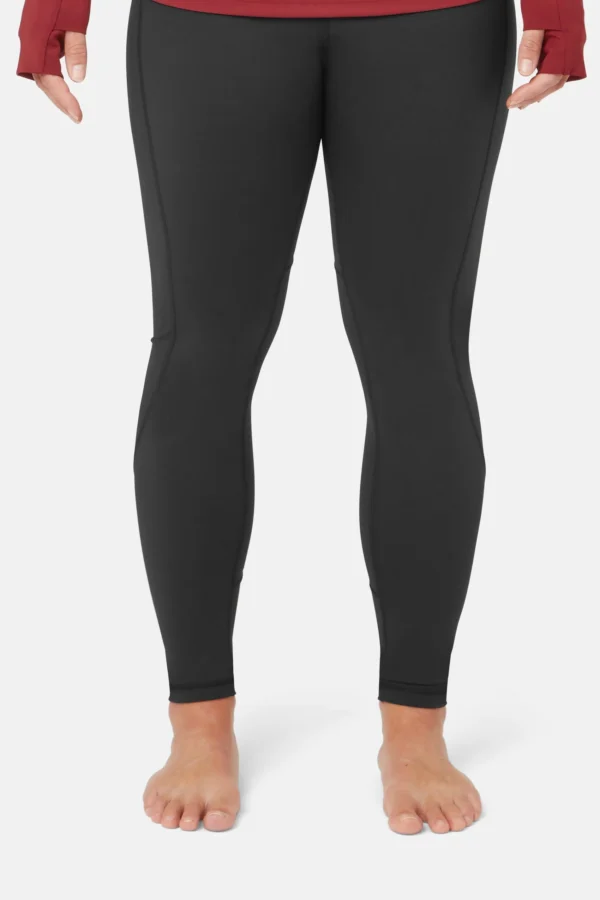
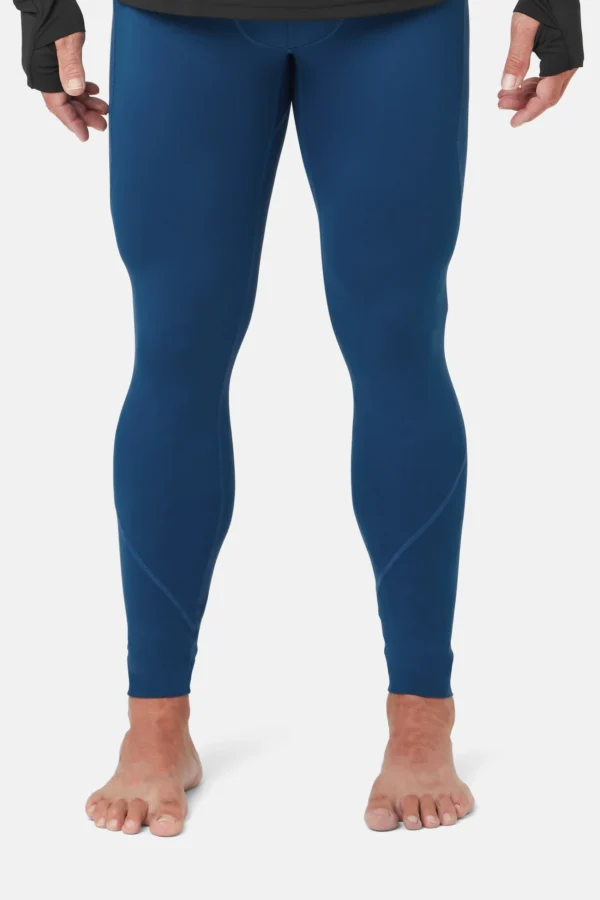
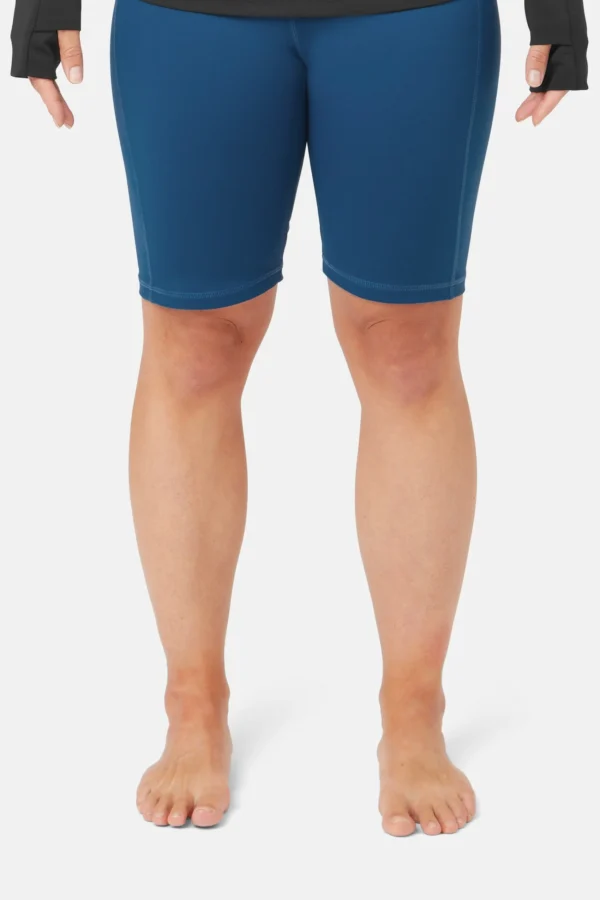
Only a few brands have their clothing tested to UV STANDARD 801. The only binding answer is the official certificate directory of the International Testing Association. UVEEKAI is listed there with its entire collection – test no. 24.1.10.0433 (tops & swim shorts) and 24.1.10.0434 (leggings & long pants), each UPF 80, independently tested by the Hohenstein Institute.
01
What does UPF 80 mean?
of sunburn-causing UV radiation is kept off the covered skin by UPF 80 (calculated). Only about one eightieth gets through.
UPF stands for Ultraviolet Protection Factor. The UPF value states by what factor the fabric extends the self-protection time of the covered skin.
There is no fixed number of hours: your self-protection time is individual and depends, among other things, on your skin type and the current UV index. The German Federal Office for Radiation Protection explains how to protect yourself in the sun.
UPF 80 is the highest protection level that UV STANDARD 801 awards – tested wet, stretched and after washing.
Source: International Testing Association for Applied UV Protection, uvstandard801.com
02
Wet. Stretched. Washed.
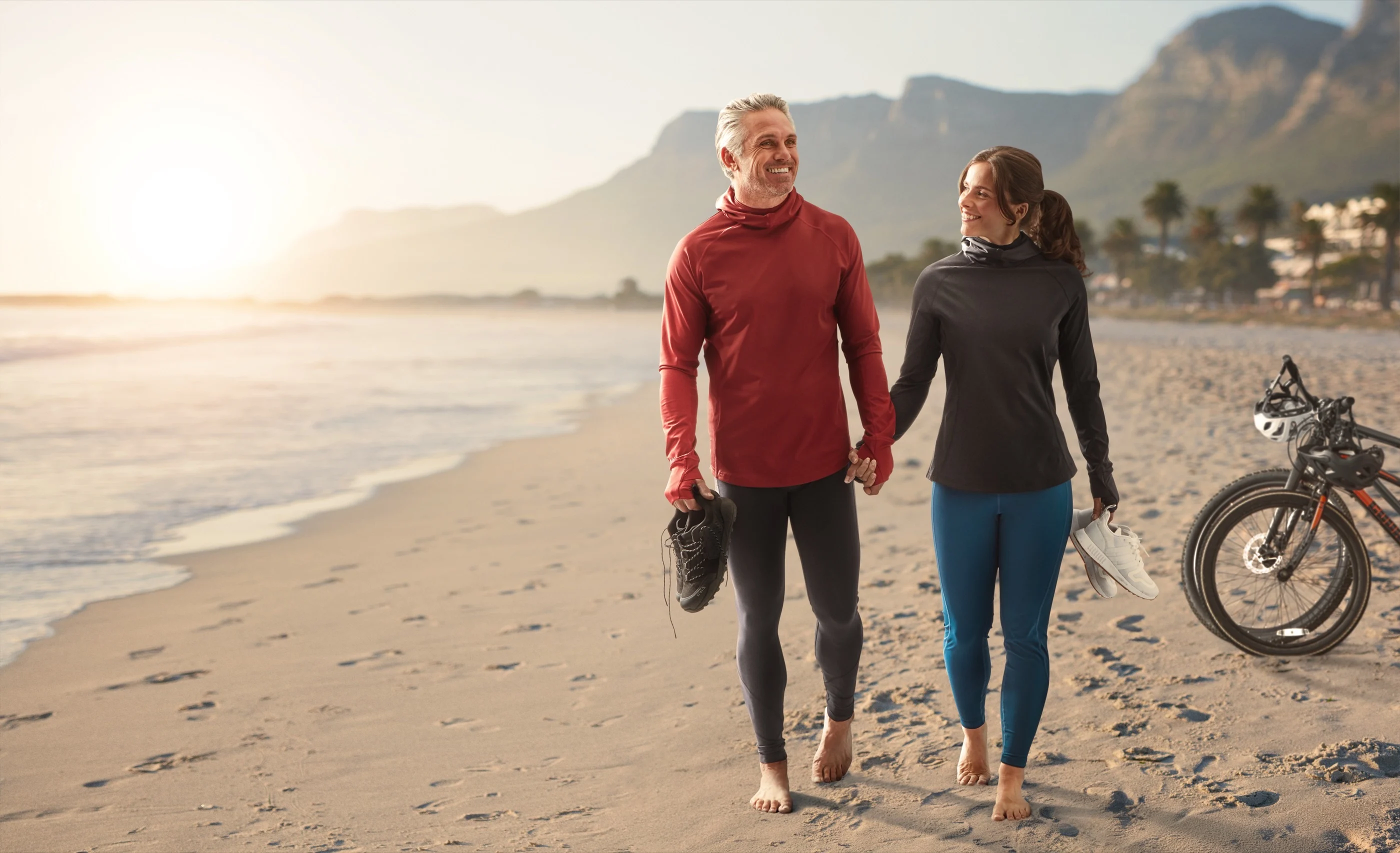
Measured wet
The fabric is moistened for the measurement – just like after swimming or on a long tour in the heat.
Measured stretched
The fabric is stretched in a defined way – just like at the shoulders, elbows and knees when you move.
After washing
The fabric is washed as part of the test – so the value does not only apply when new.
Only the lowest value counts
Only the lowest UV protection factor found during the entire test is declared.
“The textile material is washed during the test, moistened for the measurement and stretched in a defined way. […] Only the lowest UV protection factor determined during the entire practical test is declared.”German Federal Office for Radiation Protection (BfS), UV protection through clothing (translated)
03
Standards compared
Not all UV tests are equal. UV STANDARD 801 tests in the least favorable wearing condition and declares only the lowest value measured.
| UV STANDARD 801DE · AT · CH · up to UPF 80 | AS/NZS 4399AU · NZ · max. UPF 50+ | EN 13758Europe · max. UPF 50+ | |
|---|---|---|---|
| New fabric tested | ✓ | ✓ | ✓ |
| Wet fabric tested | ✓ | – | – |
| Stretched fabric tested | ✓ | – | – |
| Tested after abrasion & washing | ✓ | – | – |
| Lowest value certified | ✓ | – | – |
| Most sensitive skin type | ✓ | – | – |
| Test criteria met | 6/6 | 1/6 | 1/6 |
Source: Hohenstein Institute, uv-protection.hohenstein.com · German Federal Office for Radiation Protection

04
Not every shirt protects equally.
Regular cotton T-shirt
- No tested UPF
- Protection depends on weave and density
- Moisture and washing can change the protection
- Stretching opens gaps in the fabric
- No standardized UV test
UVEEKAI
- UPF 80 to UV STANDARD 801
- Certified wet and stretched
- Dense yarn structure keeps UV radiation out
- Independently tested by the Hohenstein Institute
Source: German Federal Office for Radiation Protection (BfS), UV protection through clothing
05
Two certificates. The entire collection.
06
Our testing institute: Hohenstein
One of the leading testing institutes for textiles and UV protection. Every UVEEKAI product is independently certified here.
Regulation
Personal protective equipment under EU law
Under European law, UV protection clothing is personal protective equipment (PPE) of category I. It must meet the essential health and safety requirements of Regulation (EU) 2016/425. Our EU declaration of conformity is publicly available.
View EU declaration of conformityCertified brands
How to check any brand in 60 seconds
Is the brand in the directory?
Search for the name in the official certificate directory. If it is not listed there, it has no valid certificate.
Which UPF level is listed?
The scale runs from 10 to 80. “Certified” alone says nothing about the level.
Entire collection or single items?
Many brands only have individual items tested. The entry states which products the certificate covers.
Is the certificate still valid?
Every entry has a “valid until” date. Once it has expired, the proof is gone.
FAQ
Frequently asked questions about UV STANDARD 801
Which brands are certified to UV STANDARD 801?
What exactly does UV STANDARD 801 mean?
How can I recognise good UV protection clothing?
What is the difference between UPF and SPF?
What is the role of the Hohenstein Institute?
What UV protection does UVEEKAI clothing offer?
Is there UV STANDARD 801 clothing for women?
What does UPF 80 mean?
How long does UPF 80 protect you?
UPF 80 · UV STANDARD 801
Sun protection you enjoy wearing.
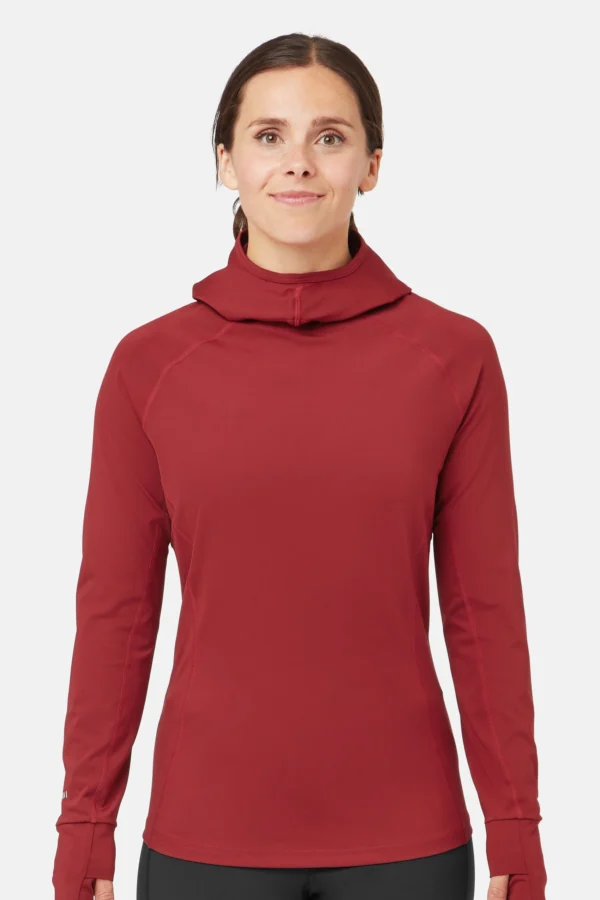
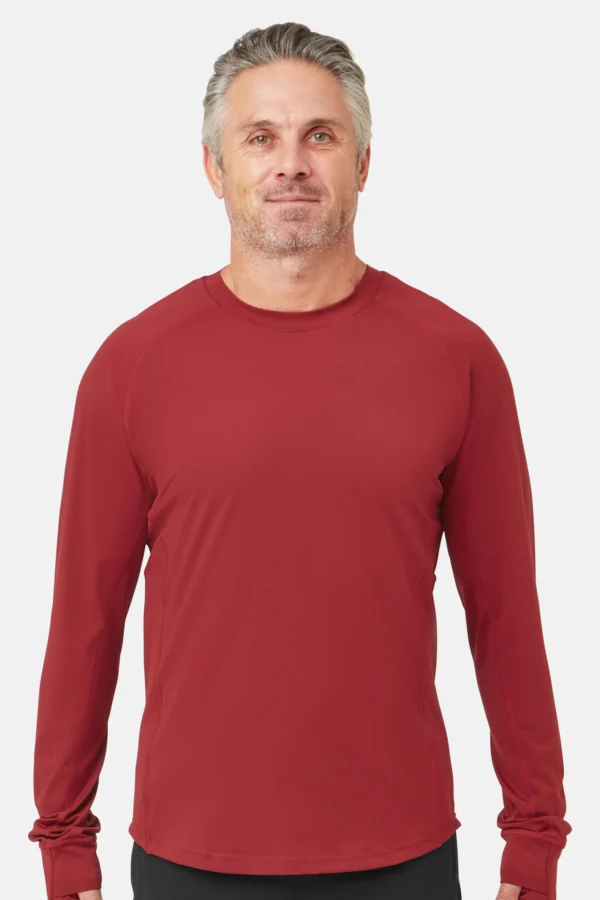
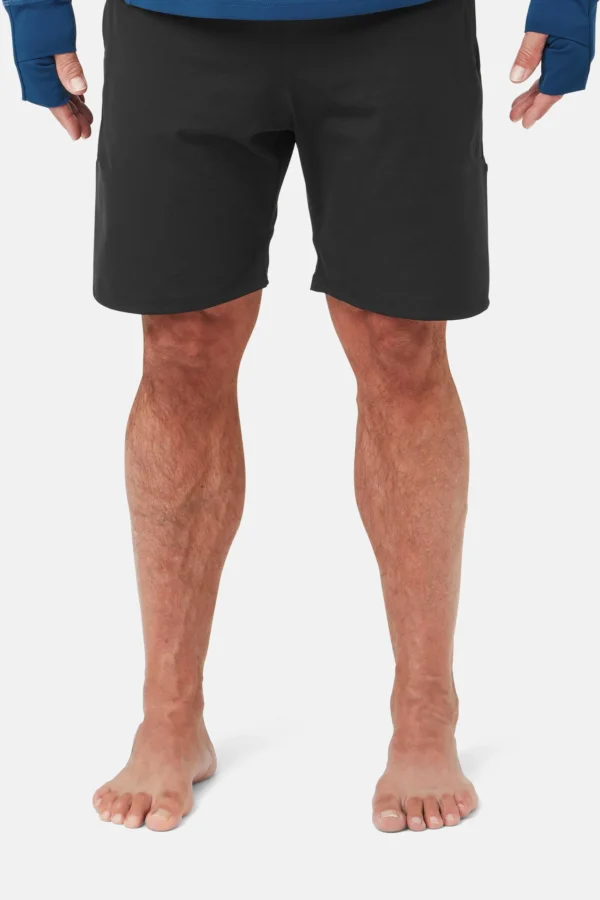
Long-sleeve shirts, hooded shirts, leggings, long pants and swim shorts – all UPF 80 to UV STANDARD 801.

UV protection clothing does not replace comprehensive sun protection. We additionally recommend:
- Sunscreen on uncovered skin (minimum SPF 30)
- Avoid direct midday sun (11 AM – 3 PM)
- Wear a sun hat and sunglasses
- Check the daily UV index and seek shade when it is high
- Hohenstein Institute — UV STANDARD 801: Test Methodology and Certification Guidelines. hohenstein.com
- Federal Office for Radiation Protection (BfS) — UV Radiation and Skin Protection. bfs.de
- Regulation (EU) 2016/425 of the European Parliament — Personal Protective Equipment. Official Journal of the EU.
- Federal Office for Radiation Protection (BfS) — UV protection through clothing. bfs.de
- International Test Association for Applied UV Protection — UV STANDARD 801 certification levels. uvstandard801.com
- Gambichler, T. et al. (2006). Ultraviolet Protection by Summer Textiles. British Journal of Dermatology.
- EN 13758-1:2006 — Protective Properties Against Solar UV Radiation (Test Methods). CEN Standards.